
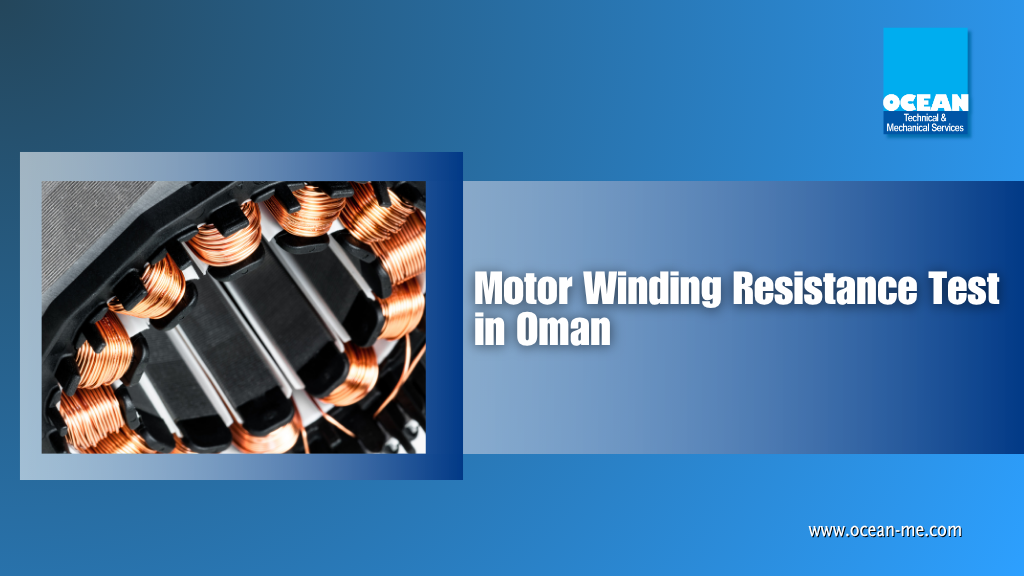
Motor windings are one of the most critical parts of an electric motor and are found in a wide range of industrial and commercial equipment. These windings are typically made from copper or aluminium conductors that are wound around the motor core to generate the magnetic field that is needed for proper motor rotation.
The resistance and condition of these windings are major factors in motor performance, ensuring energy efficiency and operational safety. Measuring winding resistance helps in identifying issues like poor connections, shorted coils, damaged insulation, or uneven winding conditions before they develop into serious failures. As even the smallest variations in resistance values could indicate underlying defects, accurate testing needs specialised tools, instruments and skilled technicians. Proper analysis will equip the industries to find hidden problems early, which will lead to minimised unexpected breakdowns and improved equipment reliability.
With skilled and experienced engineers backing industry-approved testing services, Ocean delivers reliable motor winding resistance testing solutions for various industries. Their well-established and structured inspection approach helps improve motor performance, reduce downtime and extend the operational life of critical machinery.
In this article, we will explore the basics of motor winding resistance testing, its importance in preventive maintenance and other key factors industries should consider to ensure the safe and efficient operations of electrical motors.
What is Motor Winding Resistance?
Motor winding resistance is the electrical resistance given by copper wires or aluminium conductors used in the windings of an electric motor. It is measured between one end of the winding and the other and is critical in determining the motor’s electrical and operational efficiency.
According to Ohm’s Law, the winding of a motor can be calculated using the relationship between voltage and current:
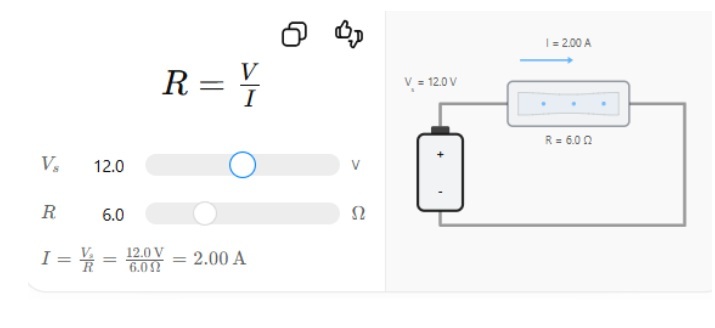
Where:
- R = Winding resistance (ohms, Ω)
- V = Applied voltage
- I = Current flowing through the winding
The winding resistance must remain within a specific range set by the manufacturer for a motor to operate properly and efficiently. These values may change depending on factors such as motor capacity, voltage rating, winding configuration, operational temperatures and the overall motor design.
Modern day motors are designed with improved efficiency and compact winding setups, this significantly lowers the resistance values, because of this, highly precise low-resistance measuring tools are needed to get accurate readings during tests and maintenance. Many factors can influence motor winding resistance for example temperature variations, conductor type or size, winding length, connection quality, motor age and other environmental conditions such as humidity, dust, contamination etc.
The graph below, winding resistance increases with temperature, along with the other factors that influence it.
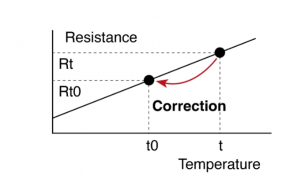
The graph shows winding resistance increases with temperature and other factors that influence it.
Temperature has a major influence on resistance. As the winding temperature rises, the resistance value also increases. So, resistance measurements are often corrected to a standard reference temperature to ensure accurate evaluation and reliable comparison of test results.
Winding Resistance: How Crucial Is It?
Winding resistance test is an important test among all tests conducted on motor windings, as it detects certain problems that other tests might miss. These include:
- Resistive connections internal or external
- Disconnected strands in multi-strand coils
- Partial blowouts in random wound multi-strand coils
- Wrong wire gauge use in coils and feeder cables
- Open or shorted coils
- Wrong coil or group connections
- Incorrect turn counts
- Hard shorts between turns or coils
Signs That Indicate Motor Windings May Require Inspection
Certain alarming signs can indicate potential issues in motor windings, and that should never be ignored. Identifying these symptoms early is critical and can help prevent costly failures as well as unexpected downtime.
- Visible Damage: Smoke, burnt odours, discolouration, or damaged insulation are strong indicators of winding problems.
- Excessive Heat: If the motor operates at unusually high temperatures, it may mean underlying winding defects or internal electrical faults.
- Abnormal Sounds: Humming, buzzing, grinding, or unusual vibration may signal an electrical imbalance or mechanical damage within the motor.
- Loss of Efficiency: Reduced speed, poor output, or unstable operation may indicate that the motor is not functioning optimally.
- Repeated Tripping: Frequent breaker trips or blown fuses are usually associated with short circuits, insulation failure, or winding-related electrical issues.
Why is Motor Winding Testing Important?
Motor breakdowns can hinder industrial processes and cause production delays, higher maintenance costs, and operational losses. Conducting winding resistance testing is, in a way, a preventive maintenance measure that helps identify hidden electrical problems before any major failures occur.
So, Regular testing helps to:
- Detect early-stage winding damage
- Improve electrical safety and reduce hazard risks
- Maintain motor efficiency and stable performance
- Increase the operational lifespan of the motor
- Minimise unplanned downtime and repair expenses
How is Motor Winding Resistance Checked?
Motor winding resistance is usually measured using a DC Resistance (DCR) test. In this method, a precision ohmmeter or specialised winding resistance tester is connected between the winding terminals to measure resistance accurately. The test helps find issues such as open circuits, shorted windings, loose connections, and incorrect winding turns.
Motor Winding Resistance Testing
A winding resistance test checks the electrical condition of motor coils by measuring the resistance over the windings. The procedure is typically carried out using a digital multimeter or advanced resistance measuring equipment designed for low-resistance applications. As resistance values change with temperature, temperature compensation or correction is usually applied to get accurate as well as standardised readings.
The detailed testing procedure followed by experienced engineers ensures that motors are thoroughly inspected for safe, reliable, and efficient operation. The following are the fundamental steps involved:
1- Visual inspection
- Initial exterior checks are done to spot any cracks, dents or damages.
- Wiring and connections are inspected thoroughly to look for frayed wires, loose terminals and corrosion.
- Discoloration and burn marks may mean overheating and wear.
- The surroundings are checked for impurities and ensure the motor is clean, dry and free of pollutants.
2- Continuity Test
- The continuity tests are done to make sure the windings are intact.
- A multimeter is set to continuity mode and tests each winding end-to-end.
- Beep or continuity = good; no signal= open circuit
3- Insulation Resistance Test
- The insulation resistance test is done to check the insulation condition to prevent electrical leakage.
- In IR test a megger is used;connecting one lead to the winding and the other to the ground.
- A lower IR reading means the insulation has been compromised; healthy, dry and undamaged insulation will show high IR values.
4- Winding Resistance Test
- This test ensures all windings are balanced and are functional.
- In this test, technicians use a multimeter on low-ohm settings and measure U-V, V-W, W-U for 3-phase motors.
- Values are expected to be within 2-3% of each other; major variations indicate internal faults.
5- High-Pot Test (Dielectric Strength)
- High-Pot Tests check if the windings can withstand high voltages.
- The high-pot tester is connected between winding and the ground and the voltage is increased gradually.
- If there is excessive leakage of current, it means weak insulation.
- While conducting the High-Pot Test, manufacturer guidelines must be followed to exercise caution.
How to Maintain Motor Windings
Motor Winding’s efficiency is crucial in industries heavily relying on machinery; their life and performance can be maintained properly by following the processes below:
1- Testing winding regularly: checking windings regularly is important to know the resistance levels and to detect faults early.
2- Cleaning Motor: Cleaning the motor removes dust and debris. This is essential to prevent overheating.
3- Load Monitoring: motor windings can be efficient and safe when the loads are within rated limits to prevent stress.
4- Recording: The inspections and maintenance activities must be tracked to provide reference and guidance in the future.
3-Phase Induction Motor Winding Resistance
Three-phase induction motors are largely used in industries that rely on equipment such as pumps, compressors, blowers, conveyors and fans due to their lasting performance, durability and efficiency. These motors have three separate winding phases that work together to create a rotating magnetic field. This allows the motor to run smoothly and efficiently.
Testing the winding resistance of each phase is important in motor maintenance as it helps check and confirm that all windings are electrically balanced and functioning correctly. Any fluctuation in resistance between phases may mean problems such as damaged windings, loose terminal connections, shorted turns or open circuits. If left unchecked, these issues can lead to overheating, energy loss, vibration or total motor failure.
Regular resistance testing significantly improves motor reliability, maintains efficiency and enhances the service life of critical equipment. As these three windings operate together, each phase must be tested individually to ensure the motor is in good operating condition and operates safely under varying loads.
Tools Used for Motor Winding Resistance Testing
Precision winding resistance measurement needs specialised testing tools that are able to pick even the smallest resistance variations. These instruments identify electrical faults early and ensure reliable motor performance.
Multimeter/Ohmmeter: A standard digital multimeter or ohmmeter is commonly used for basic winding resistance checks. can quickly measure resistance values and identify obvious faults such as open windings or poor continuity. These tools are suitable for routine inspections and smaller motors.
Motor winding ohmmeter: A motor winding ohmmeter is a high-accuracy instrument specifically designed for testing motor and generator windings. It provides more precise low-resistance measurements compared to conventional multimeters, making it ideal for industrial applications where accuracy is critical.
Winding Resistance Test Meters: Advanced winding resistance test sets such as WRM-40, Megger MTO106, and Raytech WR-50 are widely used for field and laboratory testing. These instruments offer highly accurate readings, automated testing features, and temperature compensation capabilities to ensure dependable and repeatable results.
When to seek a Professional Consultant in Electrical Inspection?
Although basic resistance checks can be performed using standard tools, certain motor issues require the expertise of qualified professionals. Seeking expert assistance at the right time can prevent further equipment damage and improve operational safety. The following are the situations where you need to seek the help of professionals:
- Major Electrical Faults
- Motor Rewinding
- Safety Concerns During Testing
- Warranty Protection
Motor Winding Resistance Test with Ocean
As the leading engineering company in the Sultanate of Oman, Ocean TMS carefully conducts precision motor winding resistance tests with utmost efficiency and commitment. Backed by experts, we ensure reliability and accuracy in motor winding measurements, checking for any deviations, and identifying early signs of potential faults.
The readings from all phases are compared and accounted for, giving you detailed insights into the outlook of your motor’s health. This helps prevent unexpected faults, plan maintenance efficiently and extend the assets operational life.
At Ocean TMS, we provide expert motor winding services and advanced condition-monitoring solutions, including electrical inspections and comprehensive asset reliability. We ensure reliable performance, reduced downtime and improved asset life. Entrust your assets with Ocean TMS to ensure long-term reliability and efficiency, and provide industry-leading solutions.
Contact us now! Get your motor winding checked today and ensure improved performance and reliability.
FAQ
How much resistance should a motor winding have to be safe?
A motor winding should always have a low and finite resistance value; that is it should never be zero. In small motors, the resistance is usually a few ohms. In medium motors, it is usually a fraction of an ohm, while in large motors, it is usually in the milliohm range. No matter the motor size, the winding resistance of all phases should be balanced within about 2–3%.
2. What is the winding resistance test?
A winding resistance test is a test that measures the electrical resistance of a motor’s windings (coils) to evaluate their condition.
3. What is the winding resistance of a 7.5 kW motor?
A 7.5 kW motor has low winding resistance, typically ranging from a few milliohms to a few ohms. For three-phase motors, all windings should be nearly equal, with deviations kept within 2–3%, ensuring balanced performance and safe operation.
4. How many ohms is a 3-phase motor?
Typically, a three-phase motor winding has 5 to 50 ohms, depending on the power and design of the motor.